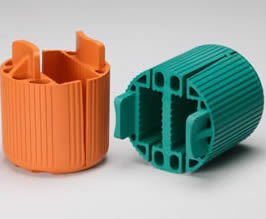
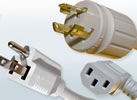
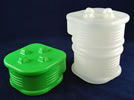
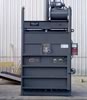
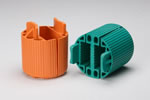
Originally, compression molding has always been used to mold rubber. Today it is still used extensively overall as it is an economical method. Compression molding is a closed-mold process in which tremendous pressure is applied to the product. It is a very reasonable molding method for low to medium volume production. Read More…
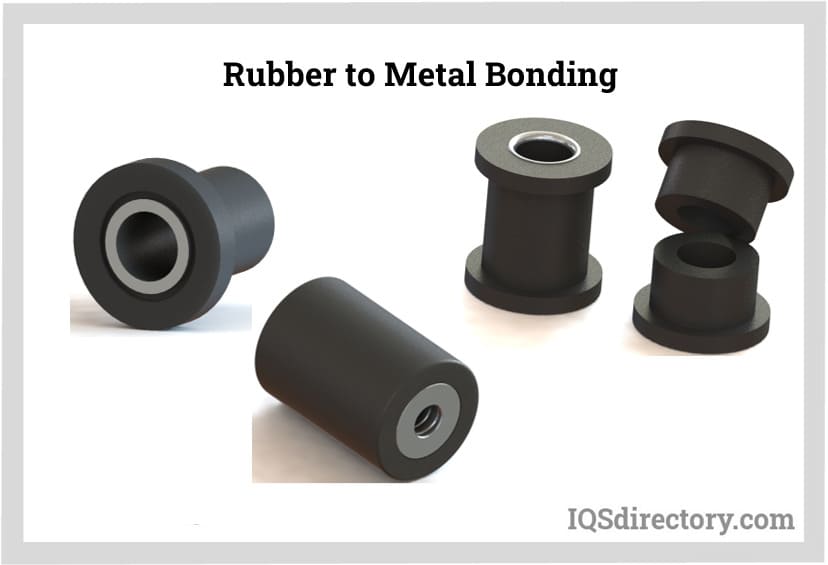
RD Rubber Technology Corp is an ISO 9001:2015 / AS9100:2016 certified and ITAR registered company. We offer compression, transfer, injection and Liquid Injection molding, rubber to metal bonding, engineering support, tooling design, machining and more. Our customers rely on us to give them the best possible production solutions for rubber molding. From aerospace to medical, food processing to military applications we build trust by being responsive to your needs.
If you have a need custom rubber molding for products with a fast turnaround, Britech Industries is the company you need to call. We do molded, extruded and die cut rubber – of various products and in the colors and compounds you need.
With more than a century of manufacturing experience, Pierce-Roberts Rubber Co. is your source for custom molded rubber products.
Rubber molding is what we do best. We believe in offering our very best to all customers no matter how large or small. For over 65 years we have pushed the boundaries of what we do and continue to improve our products and customer service every day.
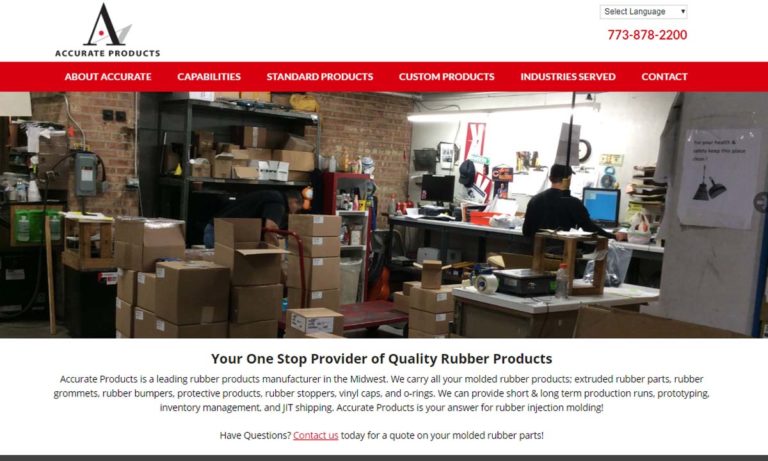
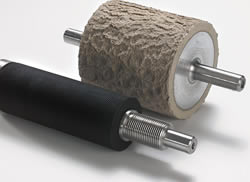
REDCO Rubber Engineering & Development is your complete source for rubber molding products, including rubber rollers, die-cut gaskets, and custom rubber products to suit your application.
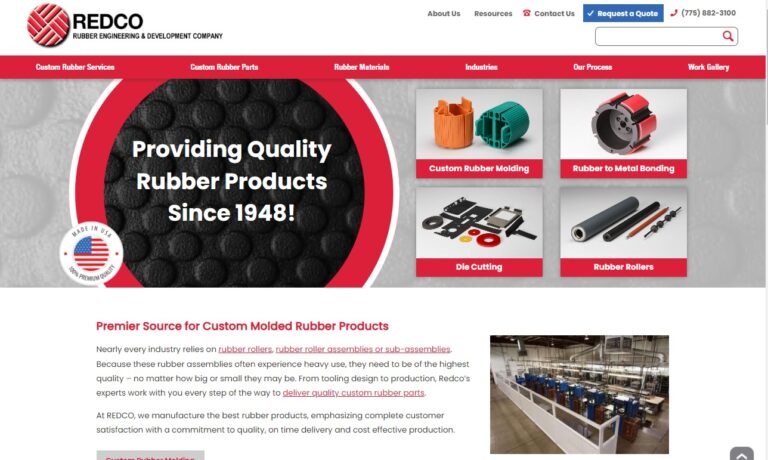
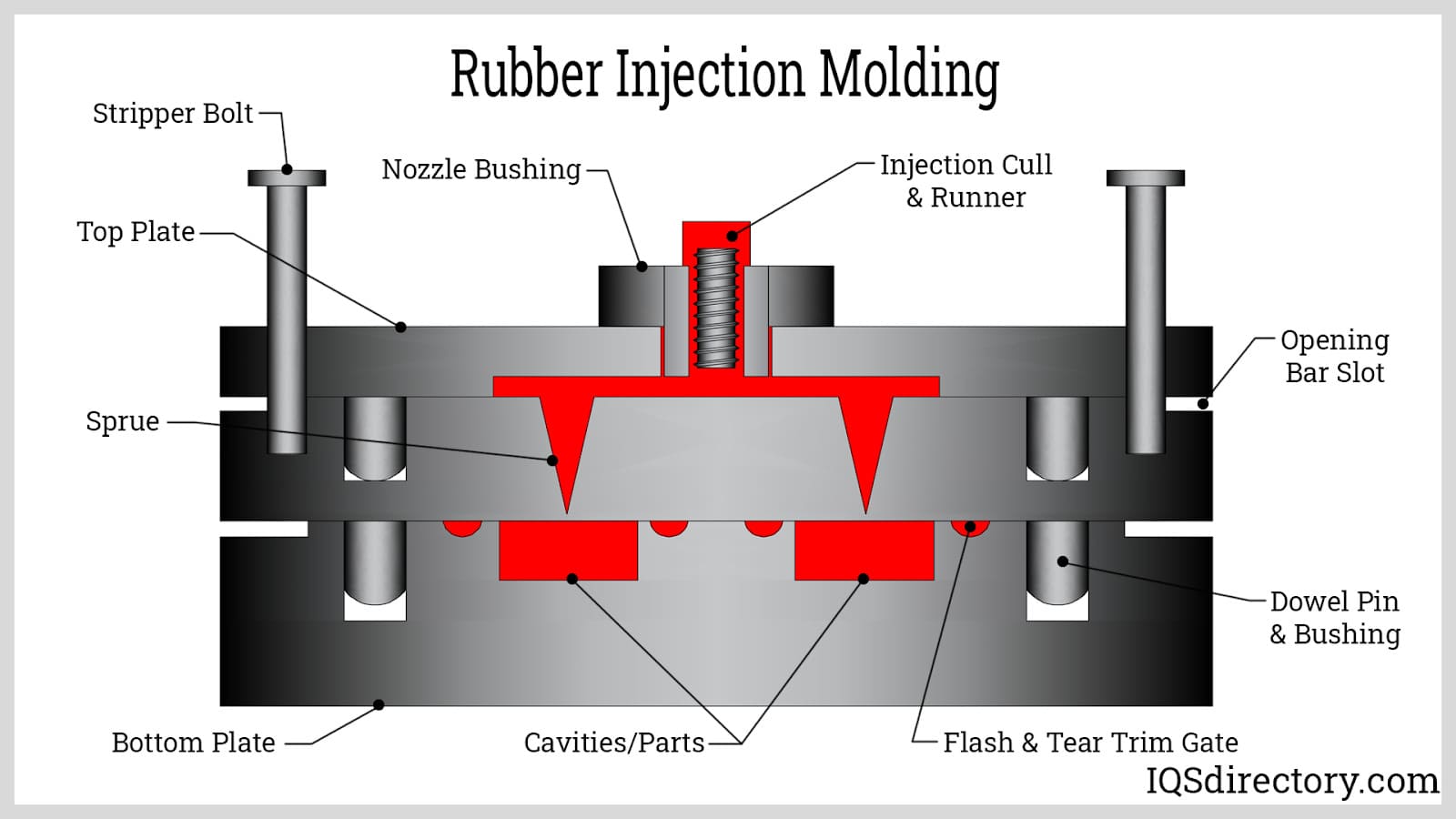
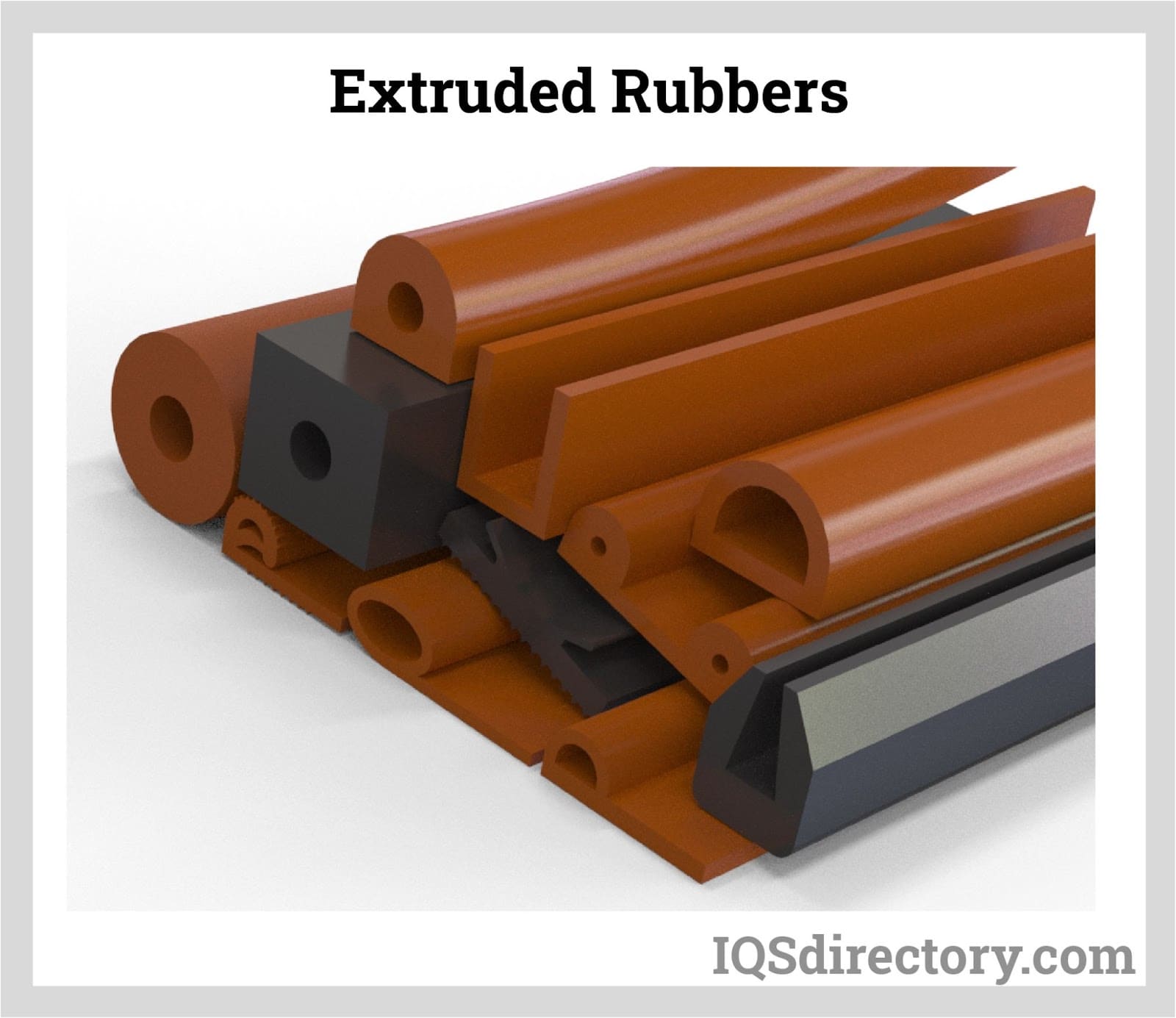
All your typical molded rubber parts & more! Our custom rubber molding expertise includes mold conversion, non-conductive parts, injection molding, compression molding, transfer molding, die cutting & extrusions, plus cryogenic deflashing, trimming and curing. Low to medium volumes on time & budget!

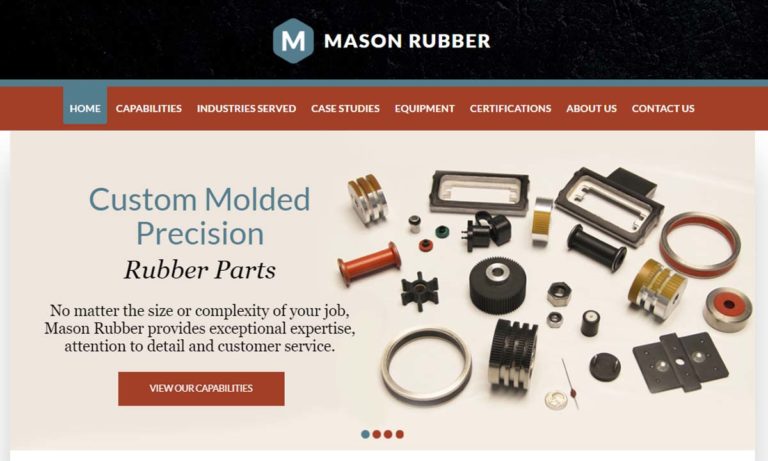
Mason Rubber is a full-service organization assisting in the designing or reverse engineering of custom product to fulfill your production requirements.
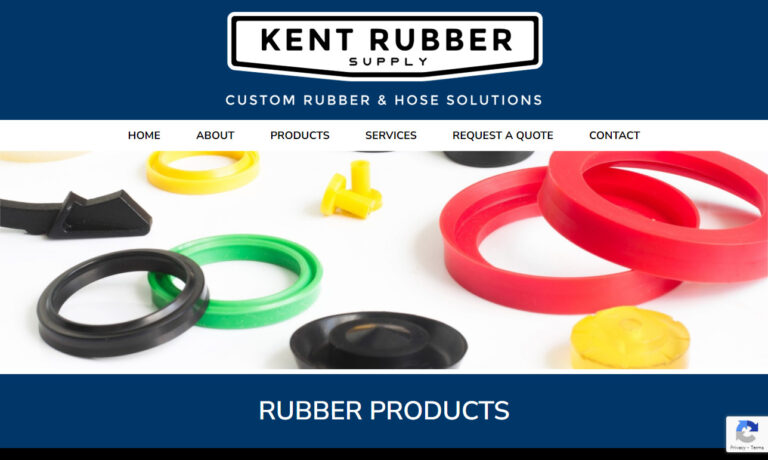
Kent Rubber Supply leverages our experience, innovation and continuous development to ensure our customers get the best products. We specialize in small to large batch production runs of molded rubber parts, allowing us to offer ultimate customization when it comes to a wide variety of specs. Our products vary in shapes, sizes and wall thicknesses in materials such as PVC and urethane. Both domestic and offshore services are available.
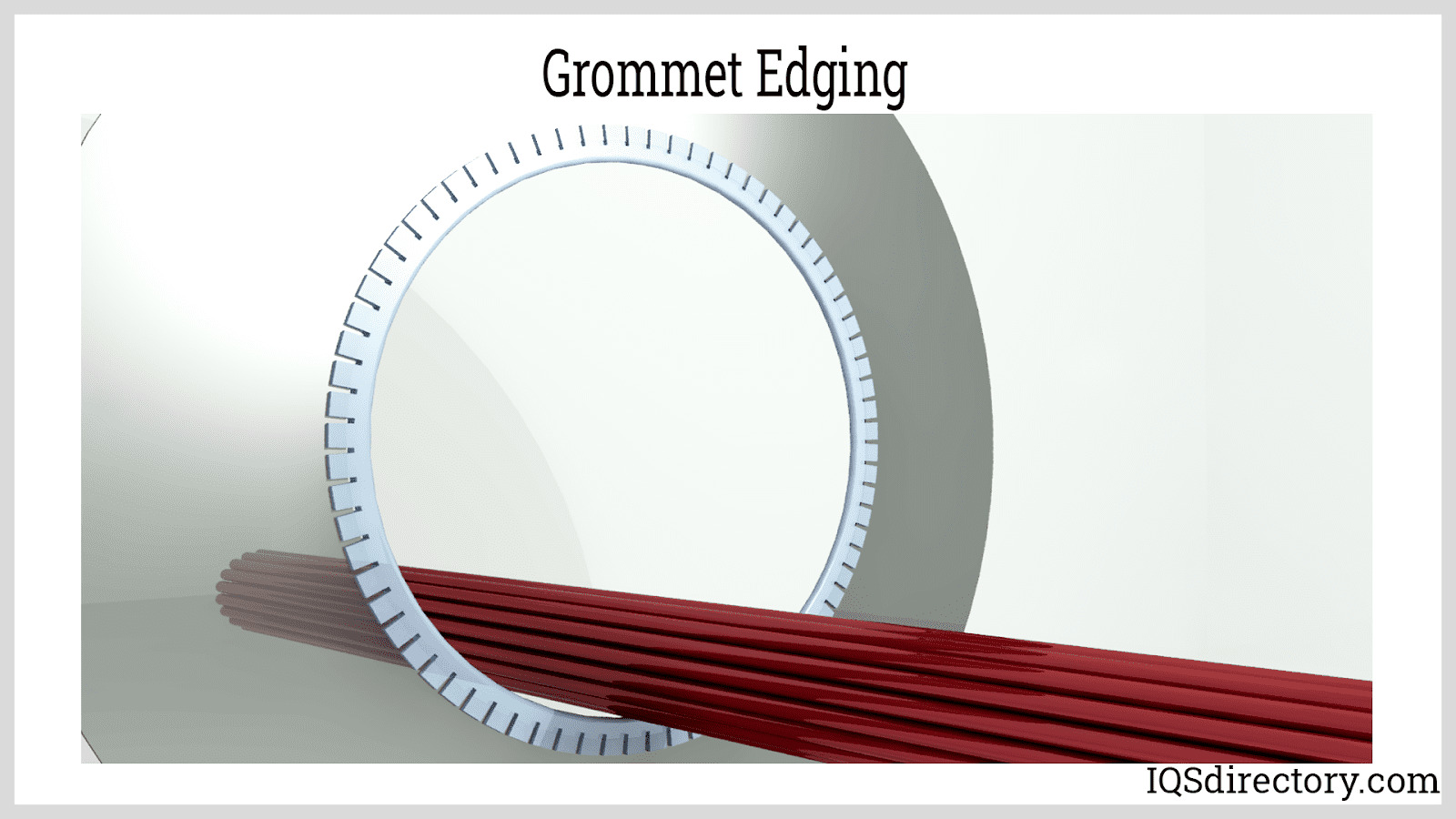
Spring-Fast Grommets with fusion bonded nylon & a polymer cushion prevent wire chafe & give you best in class performance, 49% install savings & a 9.5x efficiency improvement. The nylon clad metal substrate snaps on with finger pressure & self locks - eliminating adhesives & the old slow & costly gluing process. It is used widely used in across the OEM & contract manufacture sectors. ISO 9001:2015 & AS 9100-D. Collaborative product customization available. Request free samples on site.
National Rubber was founded in 1997 with the values of variety, consistency, quality, open communication, and timely delivery at its core. Today, we stay true to these values by taking each one of your specifications into consideration, and working with you through every step of the manufacturing process. Call us today for more information!

Jet Rubber Company, employee-owned, offers custom molded rubber and rubber to metal components. They offer rubber molding in a wide array of standard rubber products as well as custom options for those more complex and difficult jobs.



More Rubber Compression Molding Companies
What is Compression Molding?
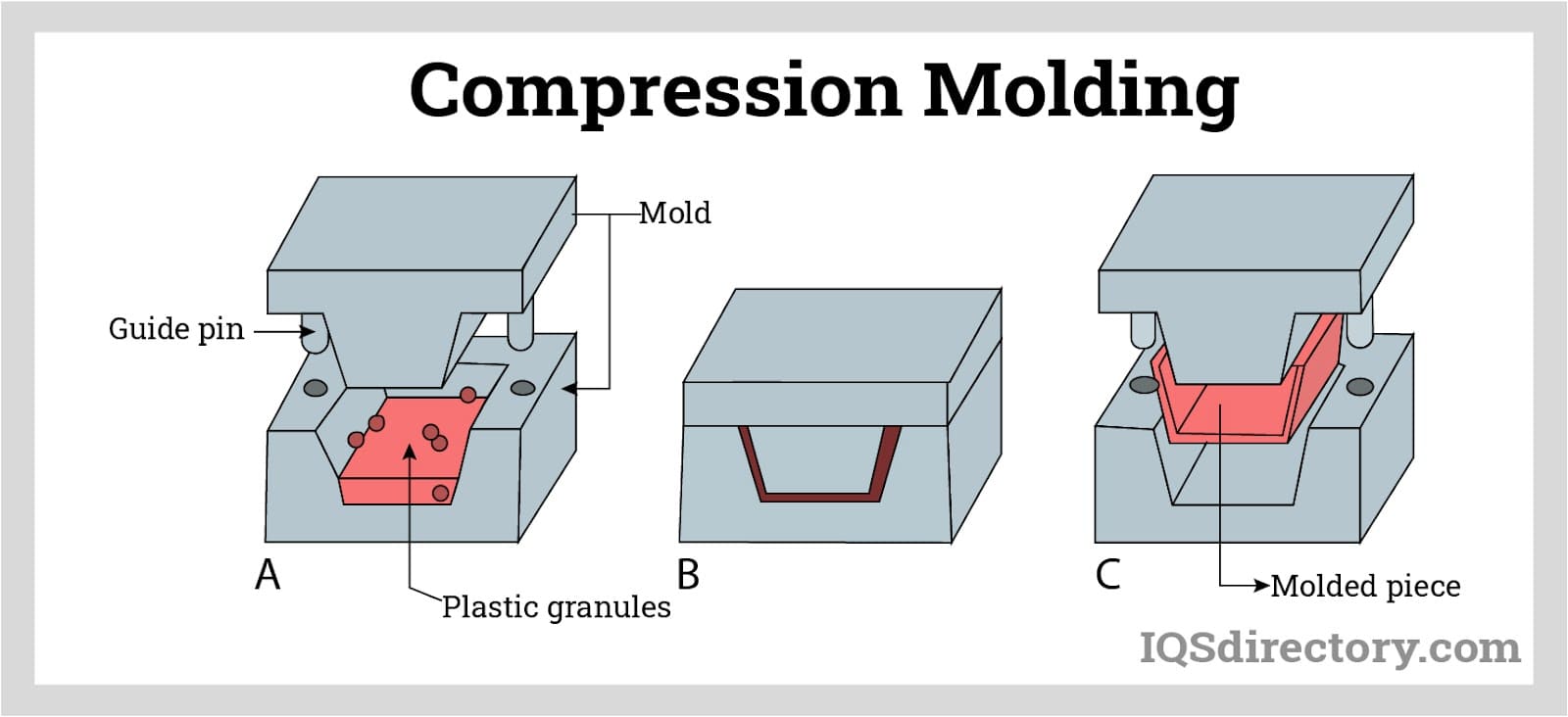
Originally, compression molding has always been used to mold rubber. Today it is still used extensively overall as it is an economical method. Compression molding is a closed-mold process in which tremendous pressure is applied to the product. It is a very reasonable molding method for low to medium volume production.
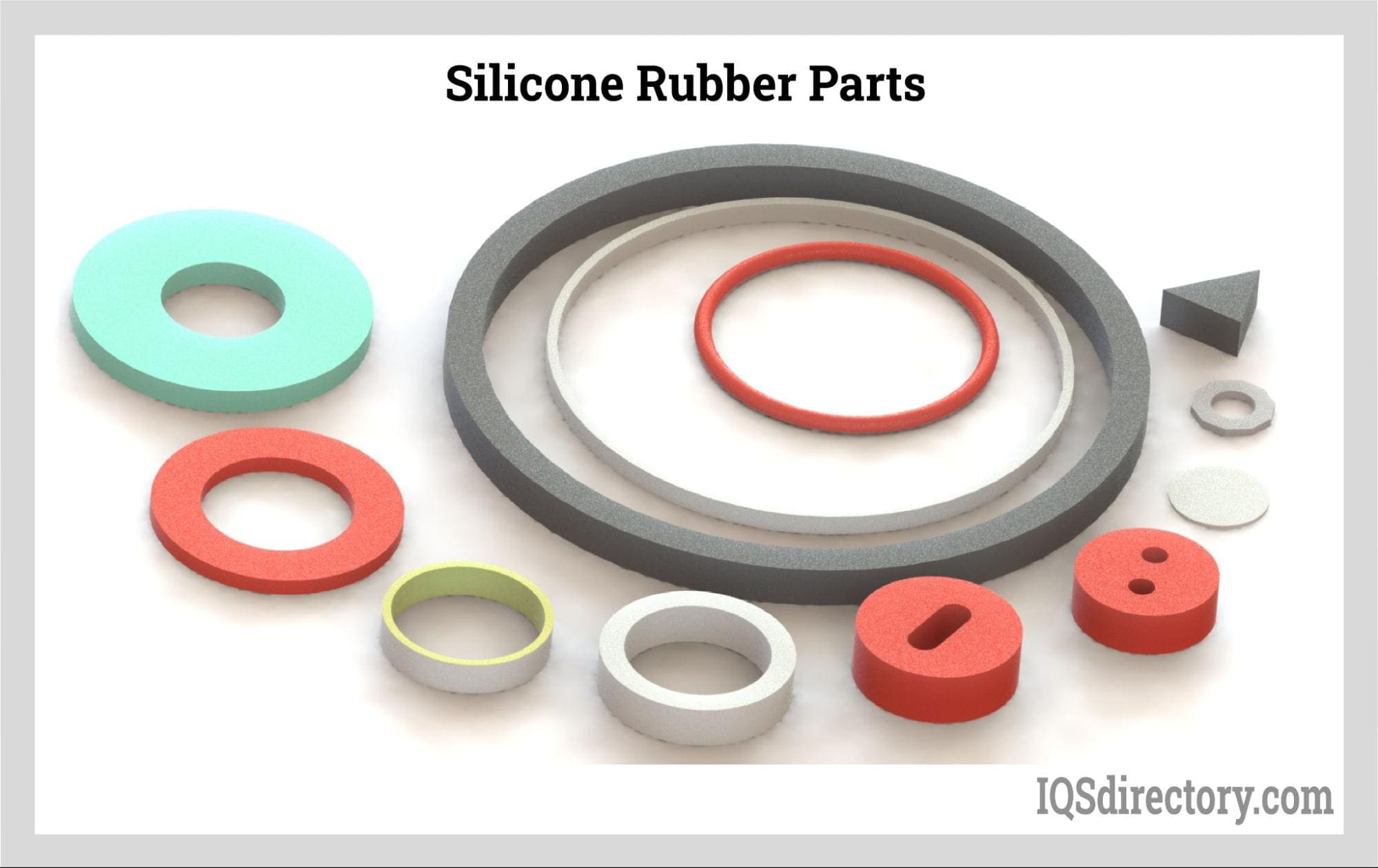
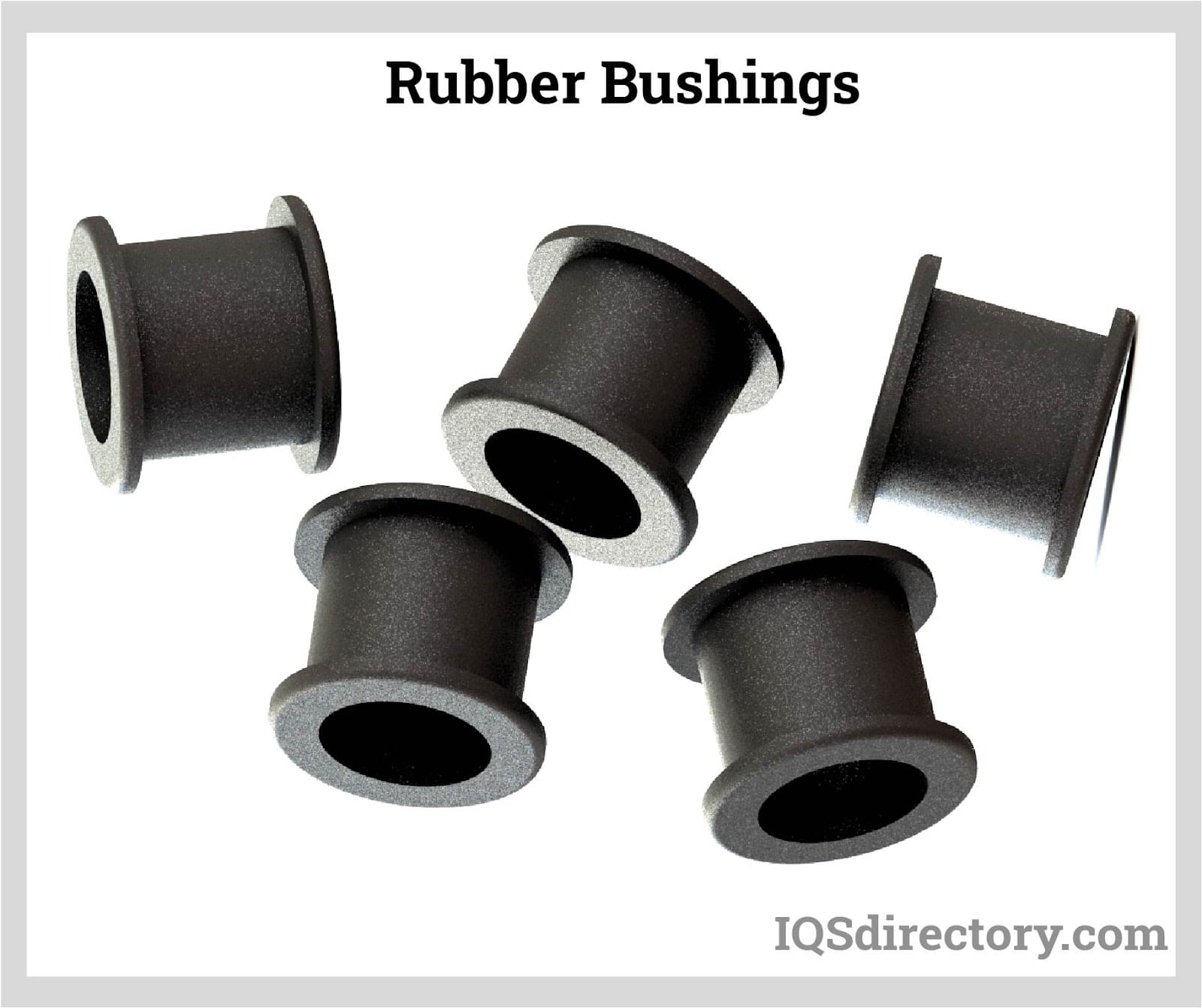
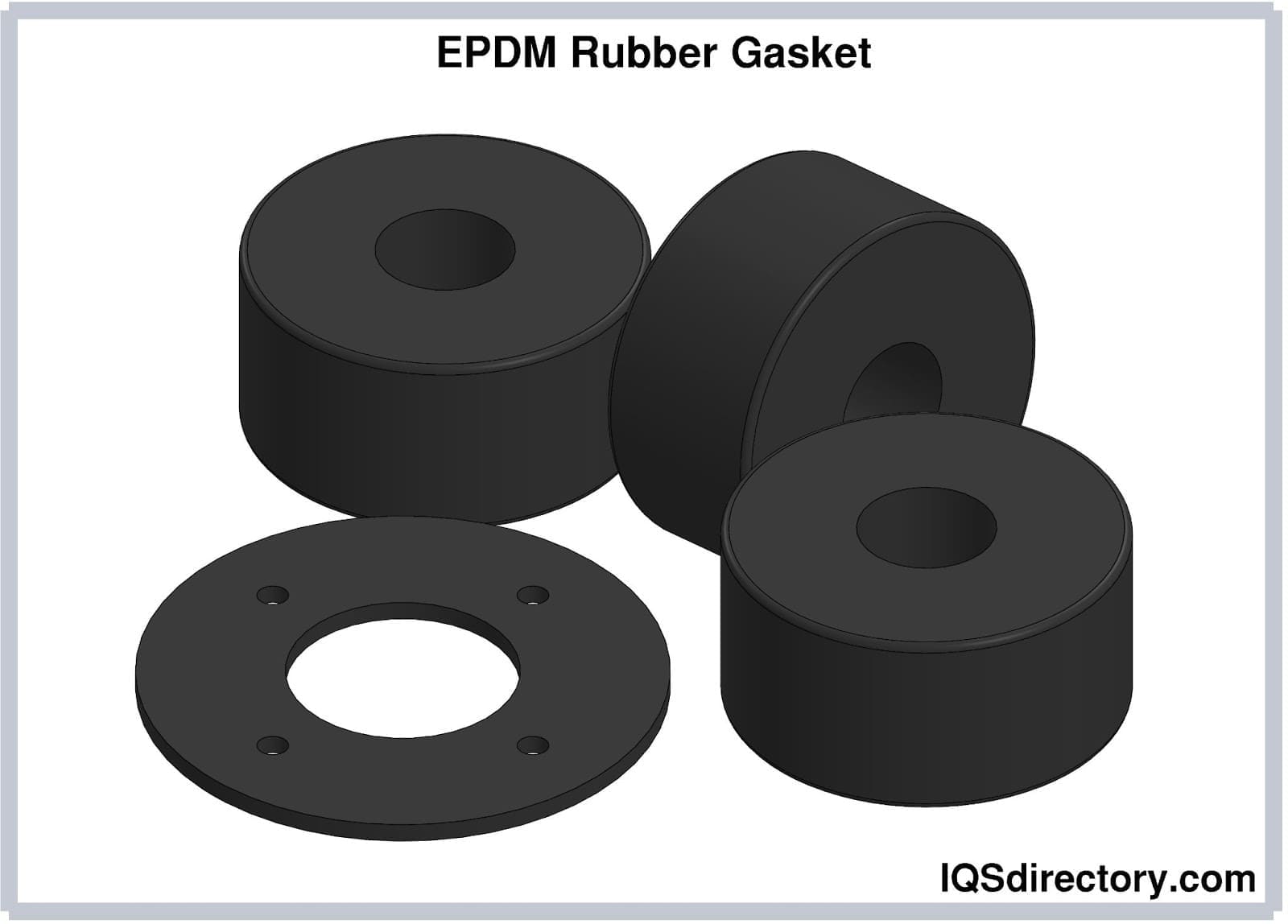
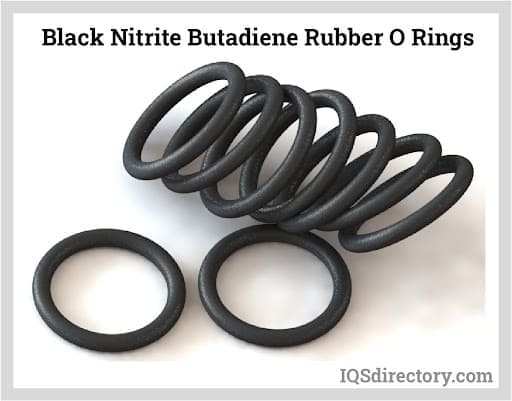
It is used to mold products like gaskets, seals, O rings, etc. It is a low-budget solution for the production of medium to large size parts on a small scale with costly raw materials.
How does Compression Molding Work?
Compression molding entails several steps:
- It starts with an uncured rubber being formed into a preform. This preform is based on the shape and size of the end product. This preform is then prepared so that it can be molded as desired.
- The prepared preform is then put into the hot mold. The mold is temporarily sealed. It is followed by the application of heat and pressure. This is why this process is called compression molding. The temperature, pressure, and other such factors are constantly monitored.
- After the molding is done, the mold is opened to remove the cured rubber product.
- It goes through post-molding stages e.g., post-curing, packaging, inspection, etc.

Materials and Equipment Used in Molding
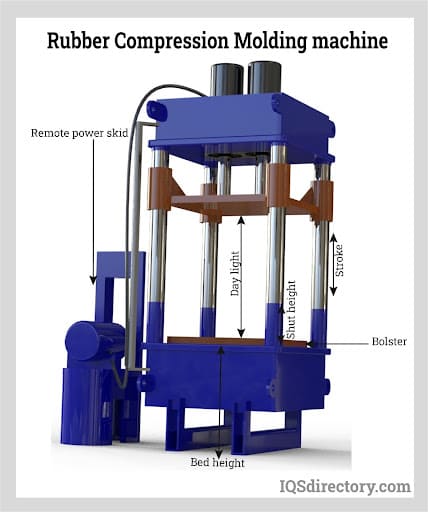
The equipment used in rubber compression molding quite resembles that used in plastic compression molding. Following are some of the equipment needed for rubber compression molding:
- Mold plates
- Mold cavity
- Alignment pins
- Compression molding press
- Hydraulic press
The rubbers usually used in compression molding include:
- Butyl
- Colored Compounds
- EPDM
- Natural Rubber
- Neoprene
- Nitrile
- SBR
- Viton
- Fiber Molding
Applications of Compression Molding
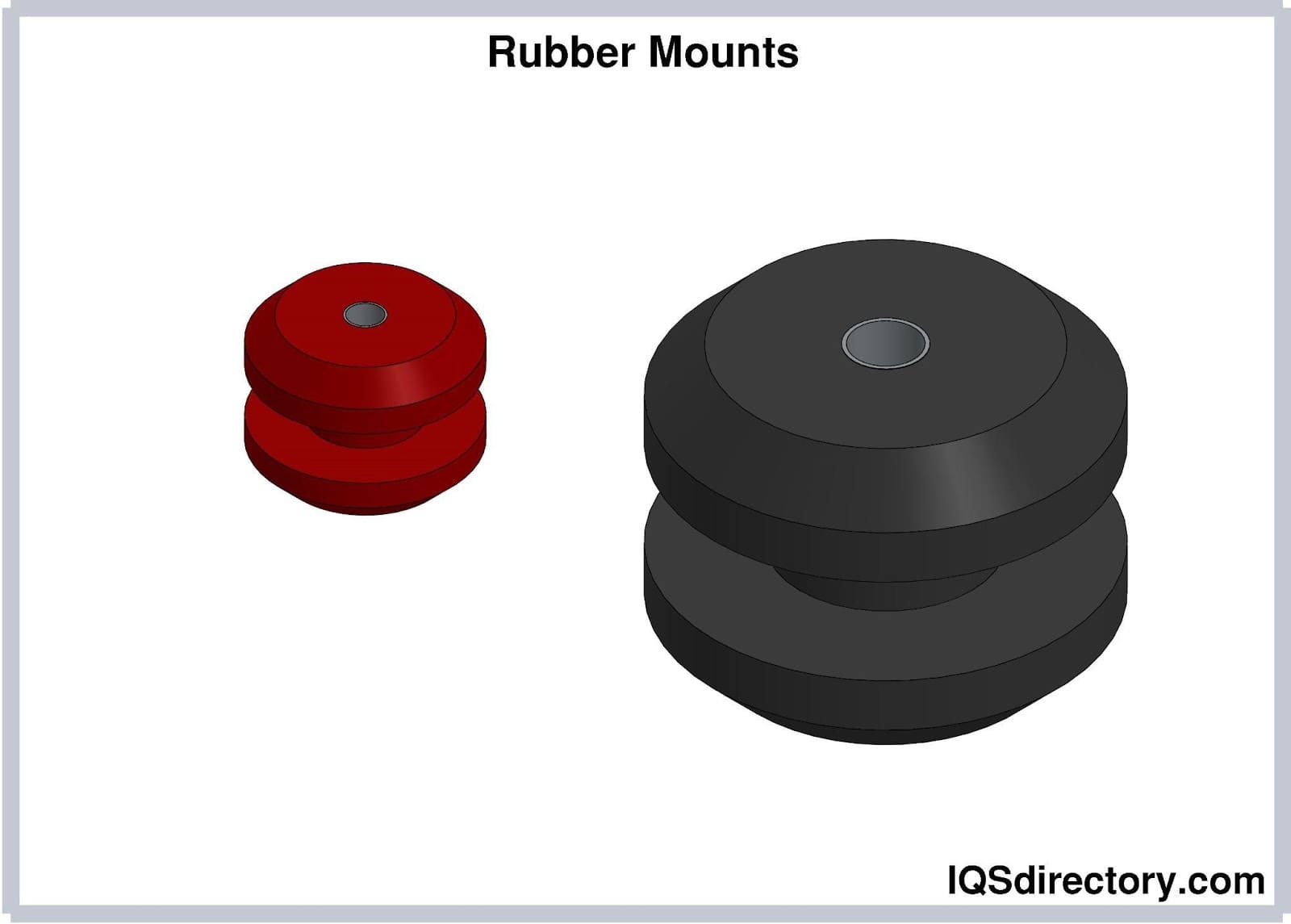
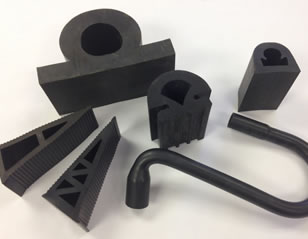
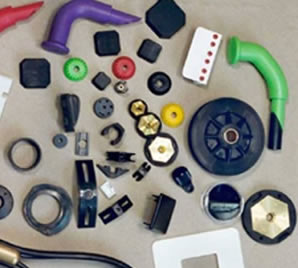
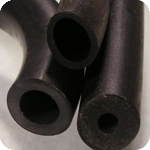
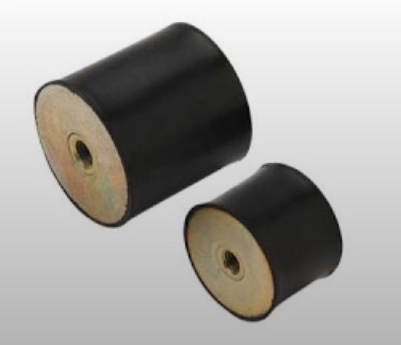
Molded rubber items are more than just a finishing touch. They can extend the life of essential and valuable equipment by successfully reducing equipment wear. Here are a few kinds of purchasable molded products: Self-adhesive bumpers, grommets, anti-vibration pads, O-rings, suction cups, vacuum lifters, tubing, etc.

In many industries, these things are critical to the form and function of equipment. For example, every day, compression-molded rubber parts help medical facilities, manufacturers, precision mechanics, autos, and other industries.
Why to Choose Compression Molding
Compression molding is widely used because it uses advanced composites. The rubber used is lighter, stronger and unlike metals is corrosion resistant.
The following is a list of compression molding benefits:
- Tools and equipment are meager cost and affordable.
- It has the lowest lead time.
- It has a diverse range of part sizes.
- This process has a very short set-up time and is favorable for more production runs.
- It can mold stiffer and more robust materials as well.
- Large parts with an extended cure time are ideal to be molded by this process.
- It can create very intricate and complexly designed pieces.
- It is very cost-effective and has a reduced turnaround time.
Finding the best Compression Molding Press:
Your ultimate decision on a compression molding press is based on these six crucial elements, in addition to safety and convenience of use.
- The amount of rubber you'll need for your product.
- The bare minimum temperature required to heat your rubber.
- Minimum time required to heat your rubber.
- Choosing the most appropriate heating method.
- Calculating the required amount of force.